GoodSamaritanTerritory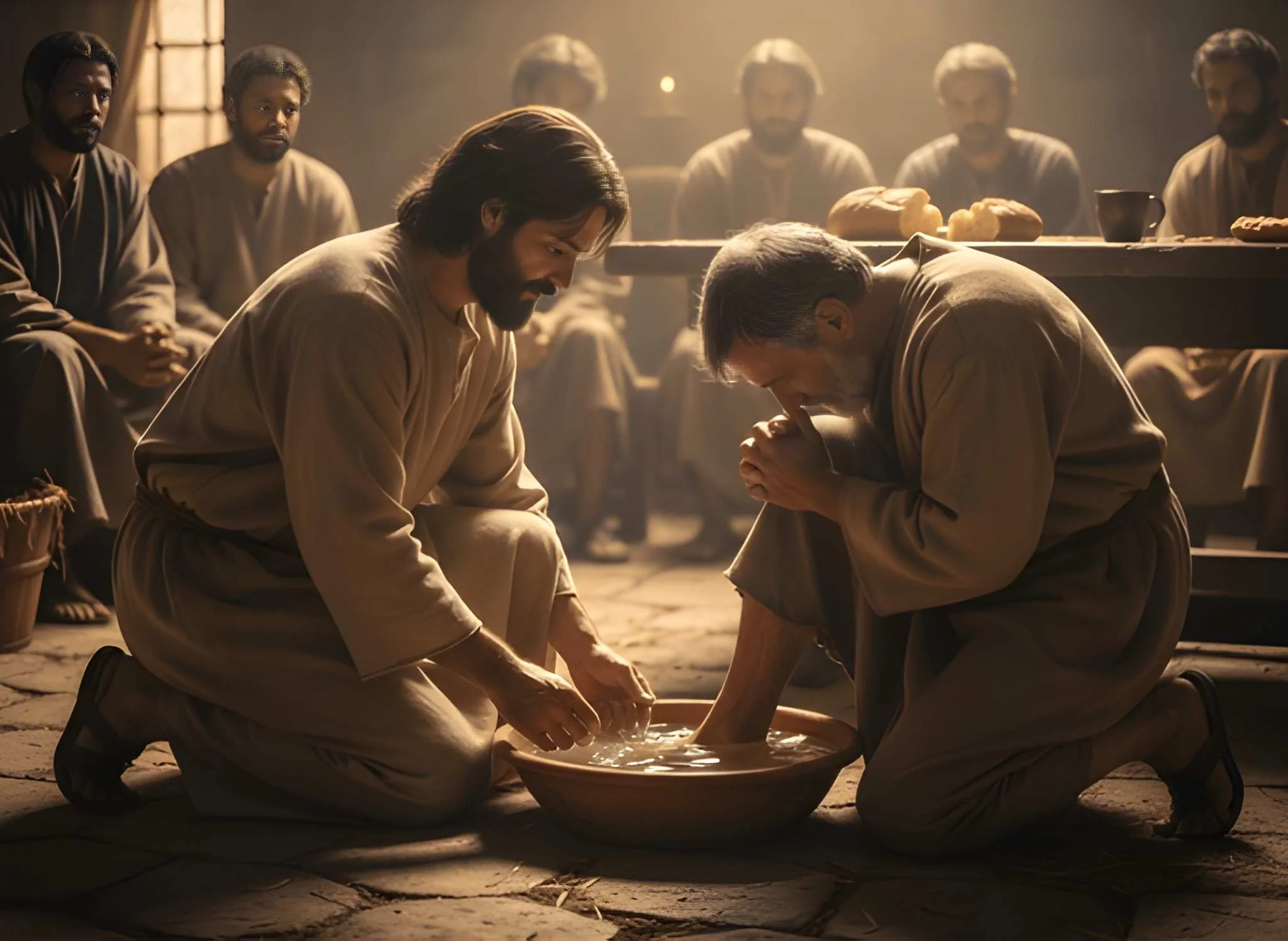
Christian humility is not a performance, a soft voice, or a polite smile. It is a spiritual posture. It shows up in the way we respond when we are corrected, the way we speak when we disagree, and the way we treat people who cannot benefit us. In a culture that rewards self-promotion and loud confidence, humility can feel like a forgotten strength. Yet Scripture presents it as essential for true worship and healthy relationships.
In Matthew 14:33, after Jesus calmed the storm and the disciples witnessed His authority, their response was worship: “Then those who were in the boat worshiped him, saying, ‘Truly you are the Son of God.’” (NIV). That confession did not come from pride. It came from a humbled heart that recognized who Jesus is.
This article explains what Christian humility means, why it matters today, and practical ways to live it out at home, at work, and in everyday decisions.
What Christian humility really means
Christian humility is not self-hatred. It is not pretending you have no gifts. It is choosing to put God at the center and refusing to build your identity on pride.
A humble Christian can be confident, but the confidence is rooted in God’s grace rather than personal superiority. Christian humility includes these attitudes:
- A teachable spirit that listens before arguing
- A willingness to admit mistakes without excuses
- Respect for others, even when disagreeing
- A quiet desire to honor God more than being praised
Humility is not weakness. It is strength under control.
A simple illustration about five fingers
There is a common illustration about the fingers of a hand arguing over which one is the greatest. Each finger points to its value and wants recognition.
The thumb claims importance because many tasks depend on it. The index finger claims authority because it points the direction. The middle finger boasts about height and position. The ring finger speaks proudly about honor and beauty.
Then they look at the little finger and mock it, assuming it has nothing important to say.
In the story, the little finger feels insignificant and begins to grieve. But the deeper lesson is clear: what looks small can still have purpose. Quietness is not useless. In many situations, the most humble person brings the most peace.
The illustration highlights an everyday truth. Pride often demands attention. Humility carries stability. Pride tries to stand above others. Humility learns how to stand with others.
Matthew 14:33 and the humility that leads to worship
The disciples’ worship in Matthew 14:33 is a powerful picture of Christian humility. They did not worship Jesus because they felt strong. They worshiped because they realized they were in the presence of the Son of God.
Humility begins when we see God clearly. Pride shrinks when Christ becomes larger in our minds. This is why genuine worship and Christian humility are closely connected.
A proud heart may sing words, but it struggles to surrender. A humble heart bows easily because it understands God’s holiness and power.
Bible verses that connect humility and worship
Scripture often describes worship using the language of bowing and kneeling. These images are not only physical. They represent the heart’s posture.
Psalm 99:5 says, “Exalt the LORD our God and worship at his footstool; he is holy.”
Psalm 132:7 says, “Let us go to his dwelling place, let us worship at his footstool.”
Psalm 95:6 says, “Come, let us bow down in worship, let us kneel before the LORD our Maker.”
These verses teach a consistent message: worship is not only music. Worship includes humility, reverence, and surrender.
Why humility feels rare today
Many people do not decide to become proud. Pride often grows quietly through habits and pressures:
- Constant comparison and the need to look impressive
- Fear of being overlooked, which leads to self-promotion
- The habit of proving yourself in every conversation
- Jealousy hidden under criticism
- A refusal to admit mistakes because it feels unsafe
Over time, these patterns damage relationships. Pride turns small misunderstandings into long conflicts. Pride makes apologies difficult. Pride can also weaken unity in families and church communities.
Christian humility becomes necessary because it protects love and keeps relationships healthy.
Practical ways to build Christian humility every day
Humility grows through repeated choices, not one big moment. These practices help develop Christian humility in ordinary life.
1) Pause before you speak
A short pause can prevent a sharp sentence. Humility values peace over winning.
2) Learn to celebrate others sincerely
When you can honor another person’s success, jealousy loses power. Humility makes room for gratitude.
3) Admit mistakes quickly and clearly
A simple “I was wrong” can heal more than a long explanation. Humility builds trust.
4) Serve without needing credit
Small acts of service train the heart to move away from self-centered living. Serving shapes character.
5) Keep Jesus at the center of your identity
The disciples worshiped because they recognized Jesus rightly. When Christ is honored as Lord, pride has less space to grow.
Humility strengthens families and relationships
Christian humility is not only personal. It transforms relationships. When humility grows:
- Husbands and wives learn to listen instead of competing
- Parents correct with patience rather than anger
- Children learn respect because it is modeled
- Friends handle disagreements without destroying trust
- Church members protect unity instead of dividing
Humility does not remove all conflict, but it changes the way conflict is handled. It turns arguments into conversations and pressure into understanding.
Conclusion
Christian humility is the quiet strength that lifts a life. It deepens worship, protects relationships, and keeps the heart open to God’s guidance. Pride may look powerful, but it often leaves damage behind. Humility may look small, but it produces peace.
When those in the boat worshiped Jesus and said, “Truly you are the Son of God,” they showed the heart of Christian humility. May we learn the same posture, not only in church, but in daily life.
Prayer
Lord Jesus,
Thank You for revealing Your power and Your holiness. Teach me Christian humility that is real, not performed. Help me speak with kindness, listen with patience, and honor others without pride. Let my worship be sincere and my relationships be shaped by Your love.
Amen.
You can also read this article in Tamil here:
கிறிஸ்தவ பணிவு: இயேசுவை உண்மையாய் பணிந்து வாழக் கற்றுக் கொள்ளுதல்