GoodSamaritanTerritory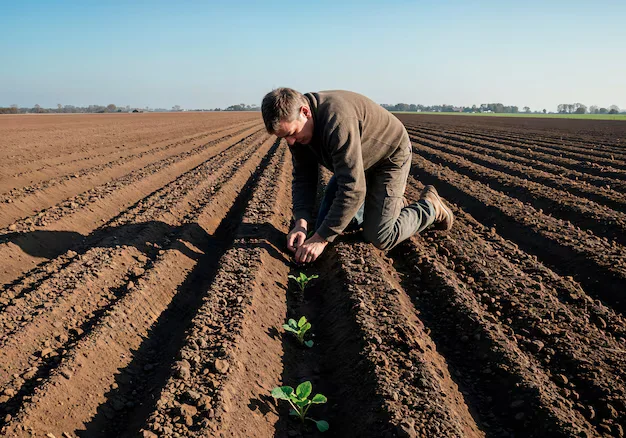
Sowing and Reaping in the Bible is one of the clearest and most consistent principles found throughout Scripture. Many believers live faithfully, pray regularly, and seek to do what is right, yet they sometimes feel discouraged when results are slow or invisible. The Bible does not ignore this struggle. Instead, it offers a steady and realistic message of hope, patience, and trust in God’s timing.
This article explains the biblical meaning of sowing and reaping, explores its scriptural foundation, and shows how this principle applies to everyday Christian life in a practical and encouraging way.
What Does Sowing and Reaping in the Bible Mean
Sowing and Reaping in the Bible refers to a spiritual principle where actions, attitudes, words, and faith are compared to seeds, and outcomes are described as harvest. Sowing represents what a person consistently invests, while reaping describes what eventually grows from those investments.
In Scripture, sowing is not limited to agriculture. It includes:
- Living in obedience to God
- Practicing faith during hardship
- Speaking truth and kindness
- Teaching God’s Word faithfully
- Choosing righteousness over convenience
Reaping, on the other hand, is not always immediate. It happens according to God’s wisdom and timing. This principle reminds believers that nothing done in faith is wasted, even when results are delayed.
Sowing and Reaping in the Bible and Psalm 126
One of the most comforting passages connected to Sowing and Reaping in the Bible is found in Psalm 126. The psalm speaks of people who sow in tears and later reap with joy. This imagery reflects seasons of loss, struggle, and restoration experienced by God’s people.
Sowing in tears represents obedience that continues despite pain. Reaping with joy represents God’s promise to restore, renew, and reward perseverance. This passage assures believers that sorrow is not the end of the story when faith remains steady.
Biblical Foundation of Sowing and Reaping in the Bible
God’s Word Produces Results
Isaiah 55 explains that God’s Word never returns empty. Just as rain waters the earth and causes growth, God’s Word accomplishes what He intends. This confirms that spiritual sowing always produces real outcomes, even when unseen at first.
This principle reinforces Sowing and Reaping in the Bible as a dependable truth. When God’s Word is spoken, taught, or believed, it produces fruit according to His purpose.
You can read these verses in their original context at BibleGateway:
https://www.biblegateway.com
Teaching from the Apostle Paul
In 2 Corinthians 9:6, the apostle Paul explains that those who sow generously reap generously, and those who sow sparingly reap sparingly. This teaching is not about instant reward or material gain. It highlights spiritual consistency and faithfulness.
Paul’s teaching reminds believers that the quality and attitude of sowing matter. God honors sincere, faithful sowing done with the right heart.
Human Responsibility and God’s Timing
One of the most important lessons in Sowing and Reaping in the Bible is understanding responsibility. Scripture clearly separates what humans are called to do and what God alone controls.
Believers are responsible for sowing. God is responsible for growth.
This truth frees people from unnecessary frustration. Many become discouraged because they expect immediate outcomes. The Bible teaches patience instead of pressure.
Ecclesiastes explains that there is a time to plant and a time to harvest. God works according to divine timing, not human impatience. Trusting this timing is a key part of mature faith.

Practical Application of Sowing and Reaping in the Bible Today
Sowing and Reaping in the Bible is not an abstract concept. It applies directly to everyday life.
Here are practical ways believers sow today:
- Continuing to do good even when results are invisible
- Teaching children biblical values consistently
- Remaining faithful in prayer during difficult seasons
- Choosing forgiveness instead of bitterness
- Speaking words that encourage rather than harm
Each of these actions is a seed. Over time, they shape character, relationships, and spiritual growth.
Why the Harvest Matters Beyond the Individual
The harvest described in Sowing and Reaping in the Bible is not limited to personal benefit. It impacts families, communities, and future generations.
Faithful sowing builds spiritual foundations that last longer than circumstances. Many people enjoy blessings today because someone before them sowed faithfully without seeing immediate results.
This perspective encourages believers to remain steady even when personal benefit is not immediately visible.
Sowing and Reaping in the Bible Builds Spiritual Endurance
One reason God uses this principle is to build perseverance. Faith that endures produces maturity. Waiting teaches trust. Obedience during hardship strengthens spiritual character.
James explains that perseverance completes its work so believers become mature and complete. This aligns perfectly with the principle of sowing before reaping.
Common Misunderstandings About Sowing and Reaping
Some misunderstand Sowing and Reaping in the Bible as a guarantee of immediate reward. Scripture does not support that idea. Instead, it emphasizes faithfulness over time.
Others believe sowing applies only to material matters. The Bible presents it as a spiritual law that affects thoughts, relationships, obedience, and faith.
Understanding these distinctions protects believers from disappointment and strengthens biblical understanding.
Encouragement for Those Sowing in Difficult Seasons
If you are sowing in tears today, Scripture offers reassurance. God sees every seed planted in faith. Delayed harvest does not mean wasted effort.
Sowing and Reaping in the Bible teaches that God’s faithfulness does not depend on visible results. His promises stand firm regardless of circumstances.
Joy may be delayed, but it is never denied when faith remains.
Conclusion
Sowing and Reaping in the Bible reveals a powerful truth about God’s character and His faithfulness. Every prayer offered in faith, every act of obedience, and every word spoken in truth matters.
If you are sowing faithfully today, remain steady. God works quietly, patiently, and perfectly. In His time, sorrow will give way to joy, and faith will produce lasting fruit.
Prayer
Lord,
Help us remain faithful when we cannot see immediate results. Teach us to trust Your timing and continue sowing good seeds in obedience, patience, and hope. Strengthen our faith and guide our hearts as we wait for the harvest You have promised.
Amen.